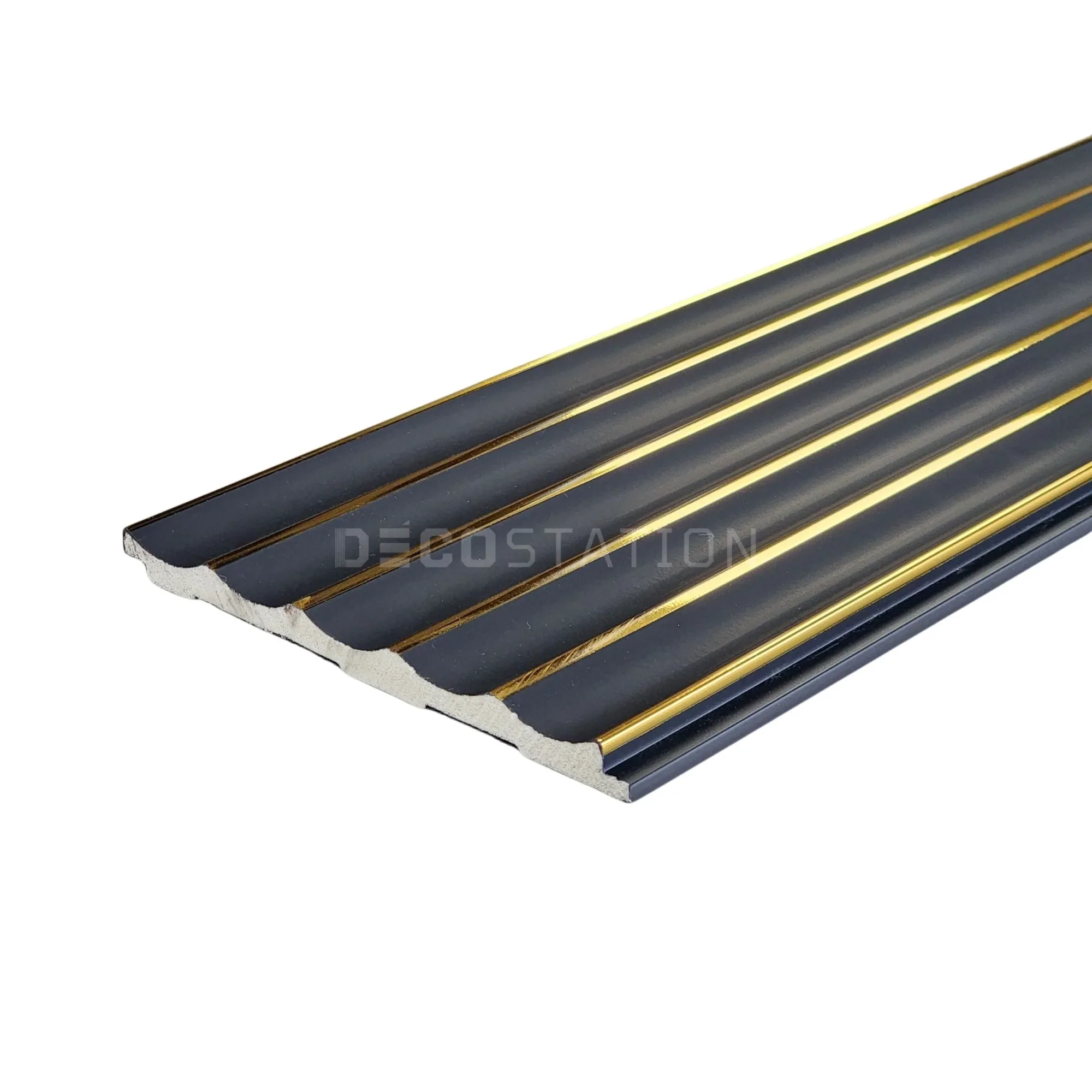
Can I request physical samples before placing a large bulk order?
Yes, and we recommend it — a physical sample is the best way to match existing paint, flooring and cabinetry before you commit to a big order. Sample lengths of the WPC fluted slats, the acoustic felt panels and the PVC tiles can be ordered directly from the product pages.
How do I apply for a trade account, and what do I need?
Applying is straightforward: submit your business details — typically your business registration, contractor licence or corporate credentials — through the trade registration page. Once we've verified them we'll enable volume wholesale pricing on your account for project and repeat orders. If you're buying for a specific job right now and want a quote in the meantime, contact us with the quantities and we'll help.
What is the difference between WPC and solid wood slats?
WPC (wood-plastic composite) blends wood fibre with polymer, so it is more dimensionally stable, more moisture-tolerant and lower-maintenance than natural timber — it will not warp, cup or feed rot the way solid wood can in a damp room. Solid wood and real timber-veneer slats give you genuine grain, natural colour variation and the ability to be sanded and re-finished, but they want a dry, stable indoor environment. For high-moisture or high-traffic areas we steer you toward WPC or PVC; for a warm, natural feature wall in a living space, timber veneer is hard to beat. Each product page states which material it is.
What adhesive or glue do you recommend?
For most panels a high-tack, gap-filling construction adhesive (the kind sold in a caulking-gun cartridge for panelling and mouldings) is the right choice — applied in a vertical zig-zag or grid on the back of the panel and pressed onto a clean, dry, flat surface. On ceilings and heavy feature walls, pair the adhesive with mechanical fasteners for the Dual-Secure hold. Peel-and-stick tiles already carry their own commercial adhesive and need no extra glue on a suitable smooth surface. Because the ideal product varies with your wall type and panel, check the product details and, if you're unsure, contact us and we'll point you to the right adhesive.
What should I look for when buying outdoor composite panels?
Verify a true Capped Co-Extrusion Layer. Uncapped WPC lacks that protective shield and is porous like open timber — it absorbs moisture, rain and ice, which leads to deep organic staining and structural mildew. The cap is what makes a composite genuinely exterior-durable, so it is the first thing to confirm before buying for an outdoor project.